
Carpet, Tile, and Old Hardwood — Made Into One Floor
Carpet and tile removal opened the door to a full installation and refinish project — new red oak was laced into existing hardwood and sanded together for a seamless, lighter finish throughout the main level.

Project Overview
Service Type
Home Type
Floor Type
Wood Species
Date Completed
Before Photos
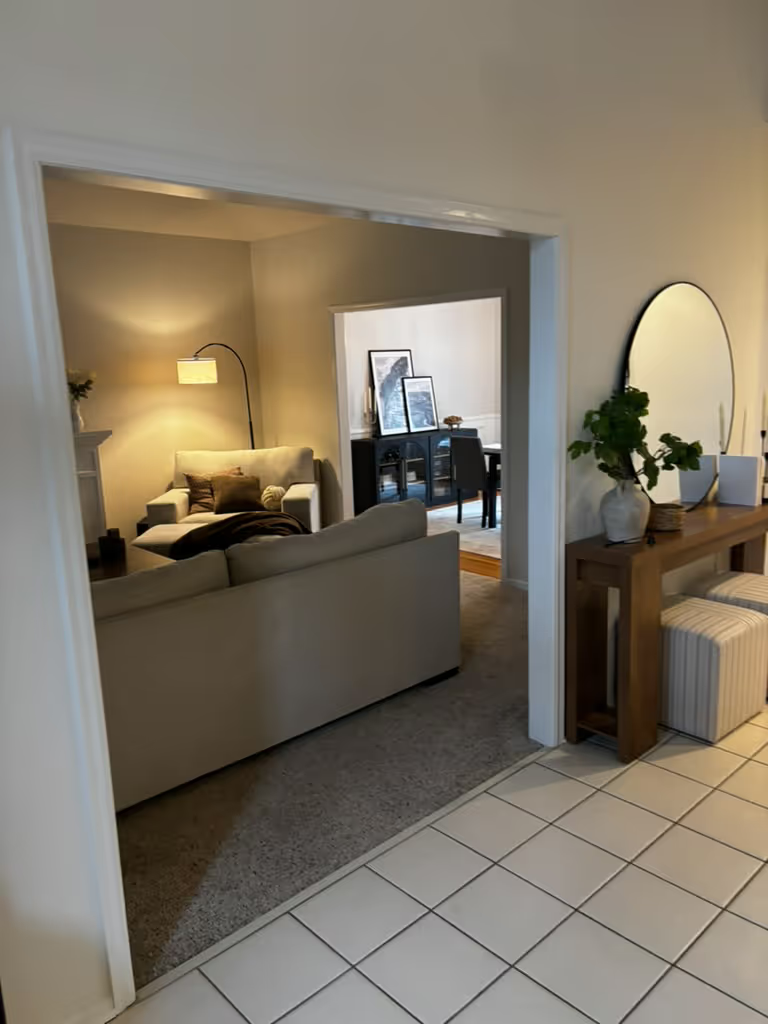
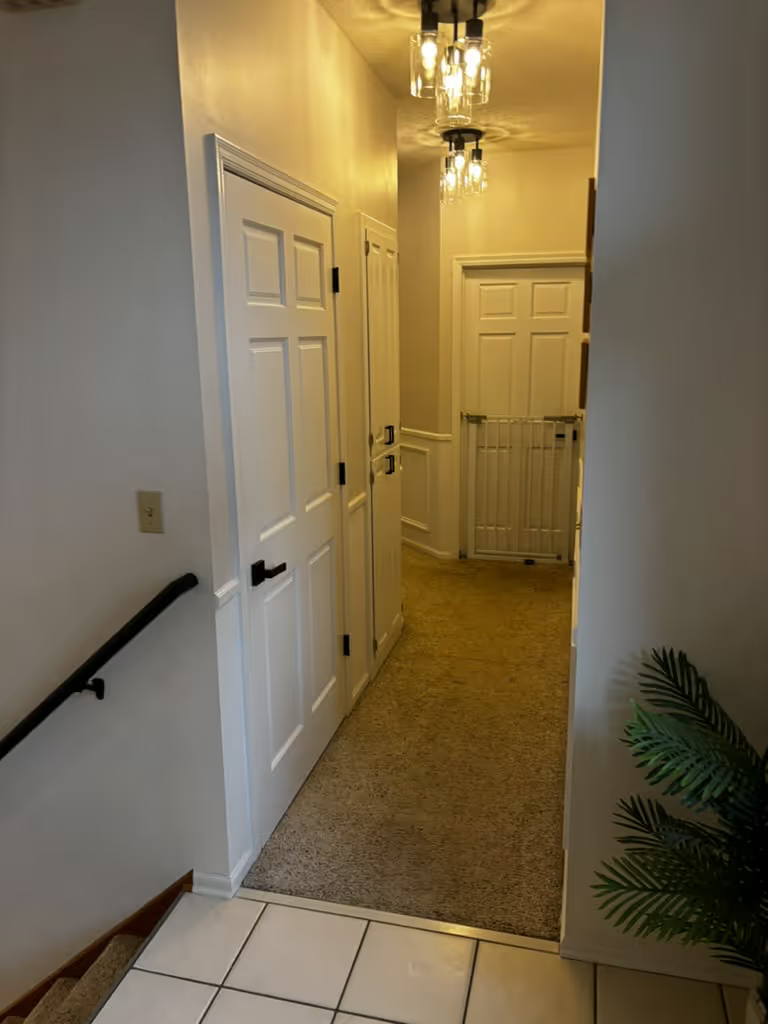
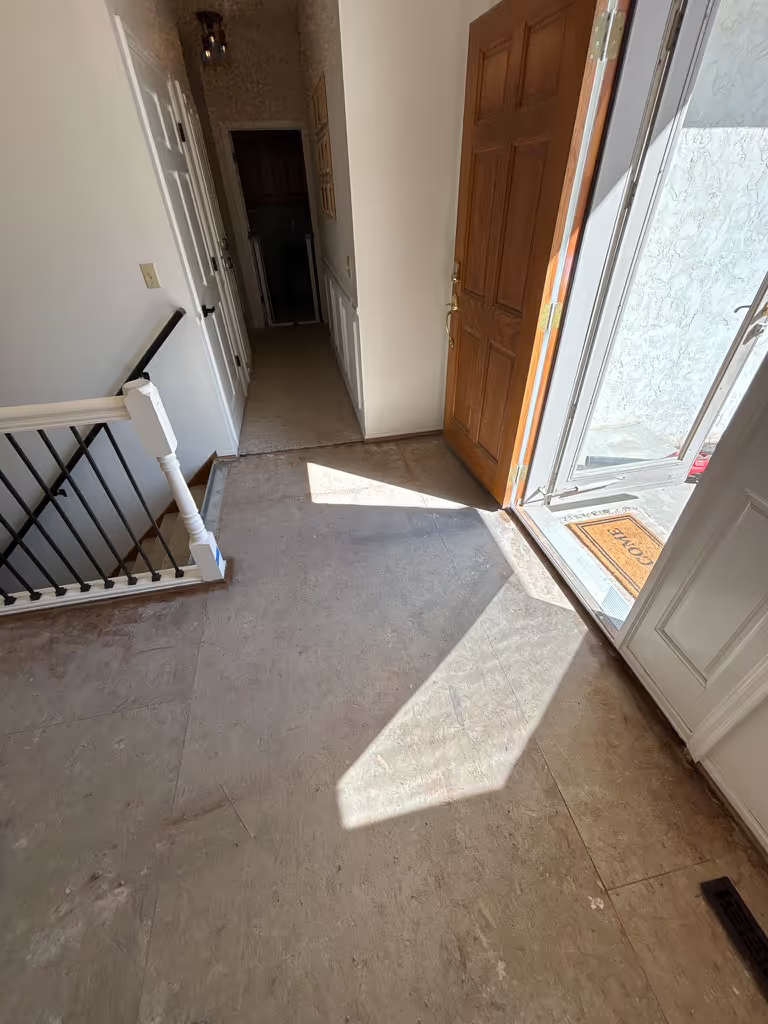
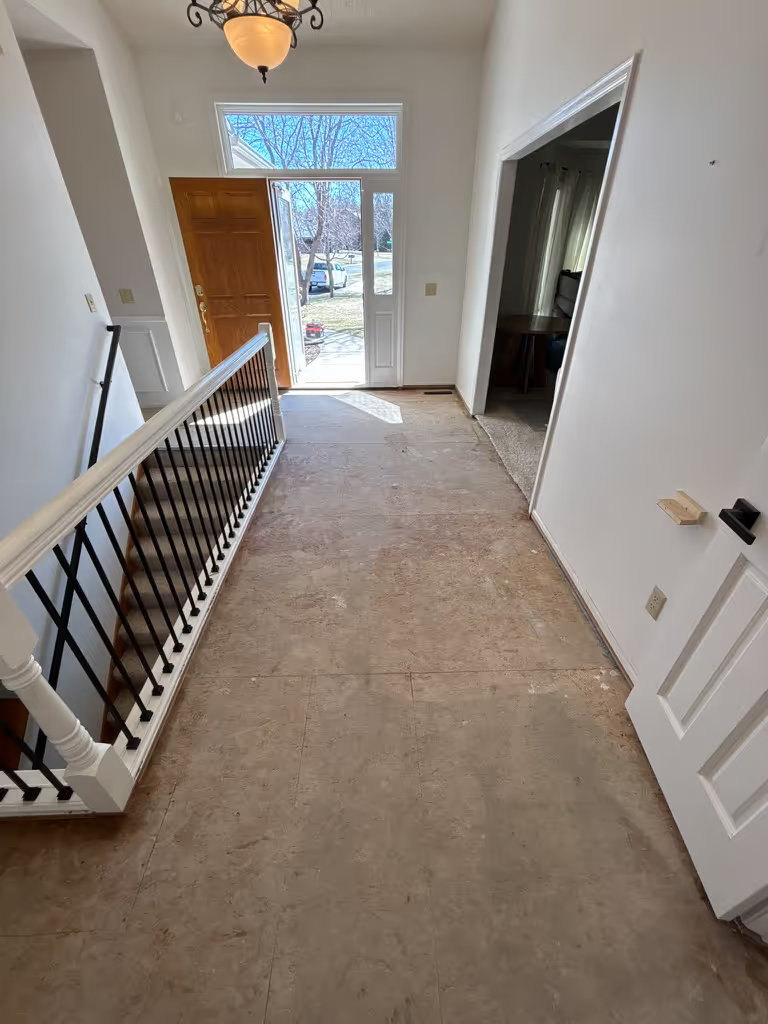
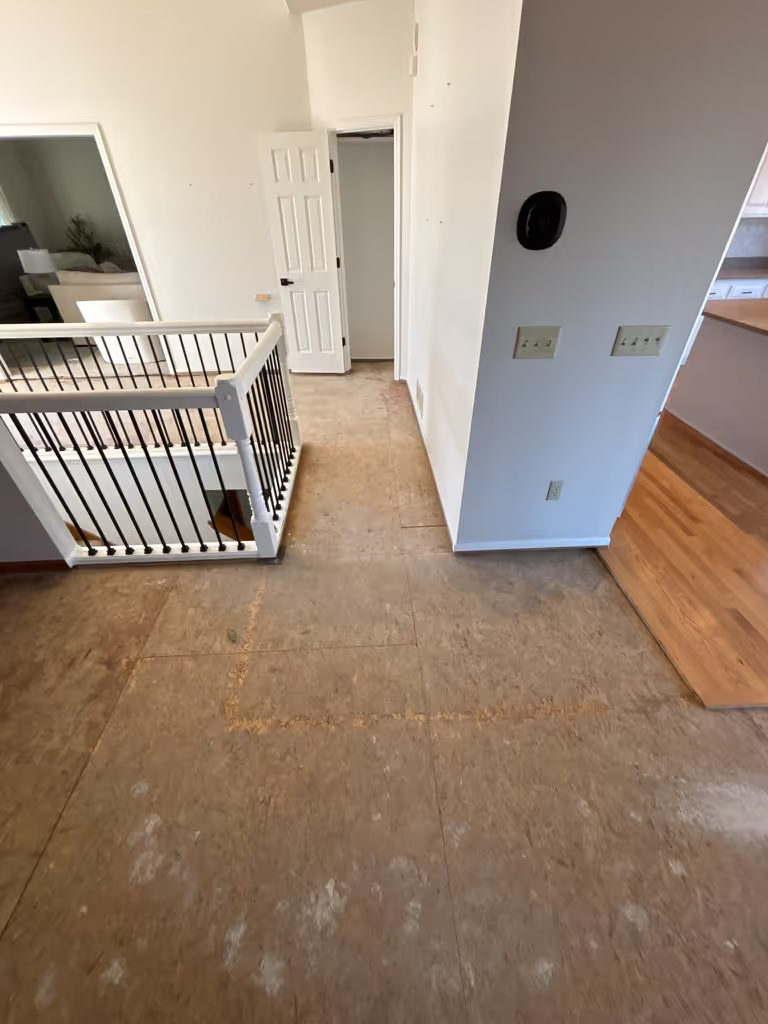
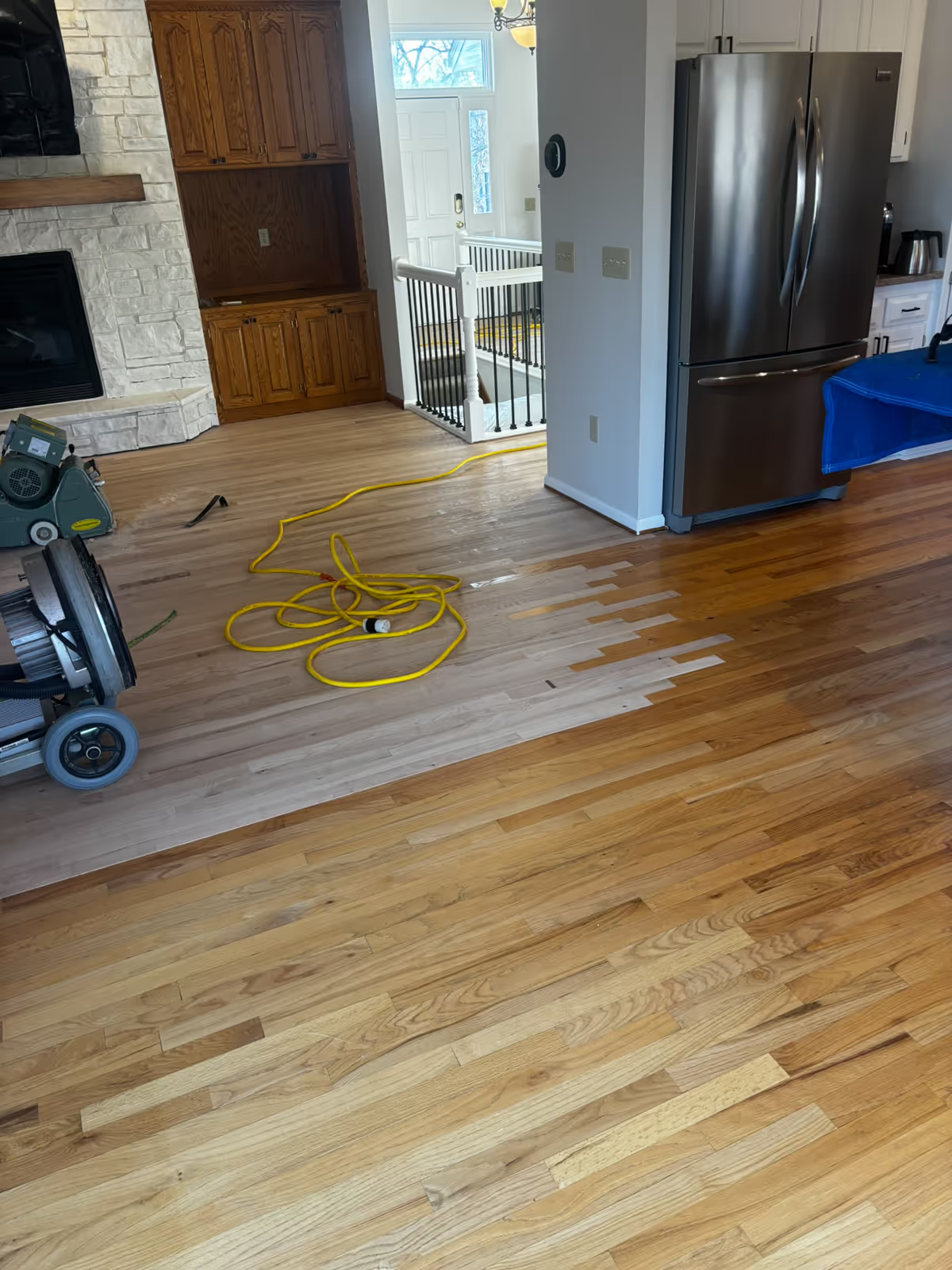
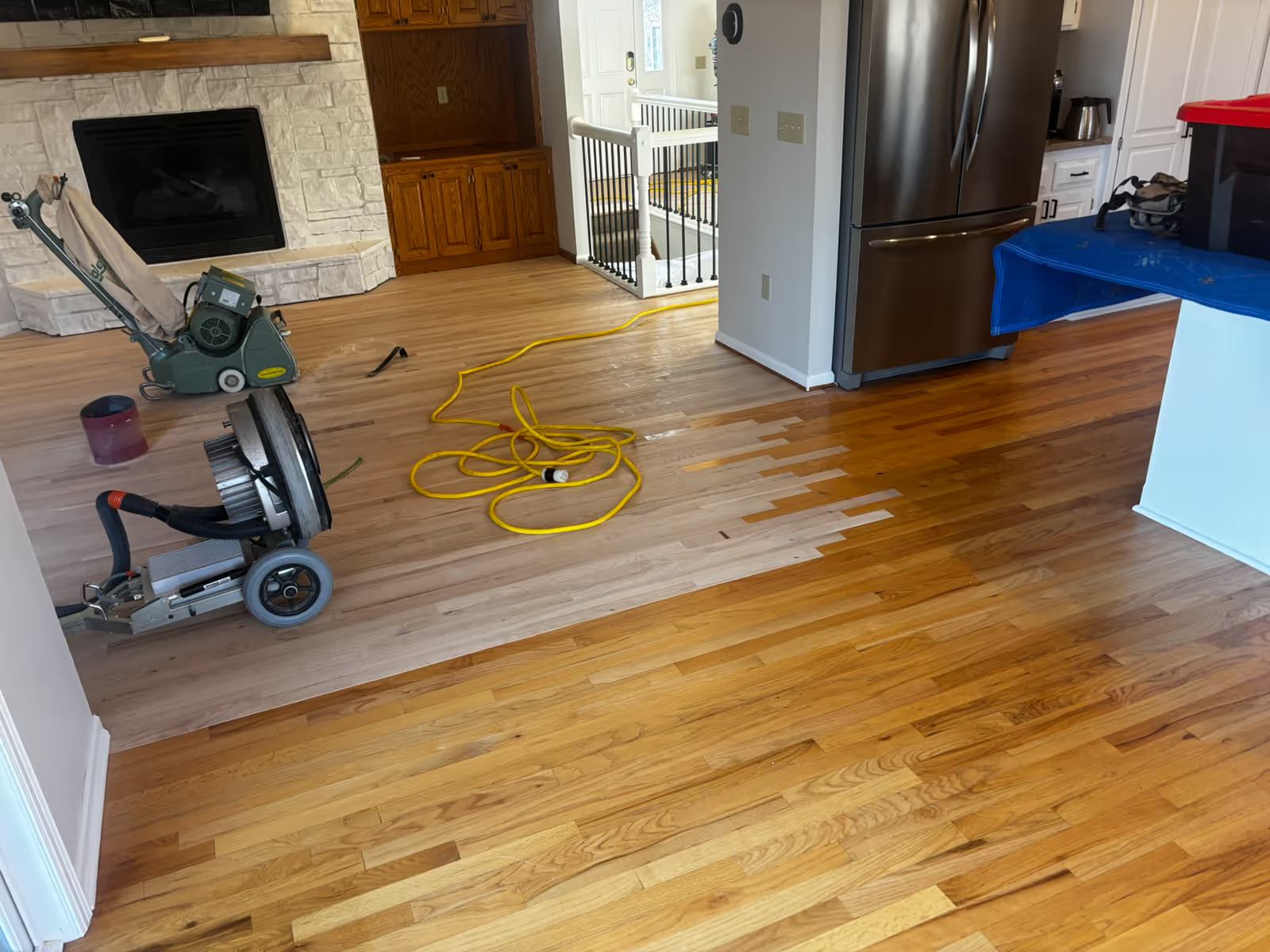
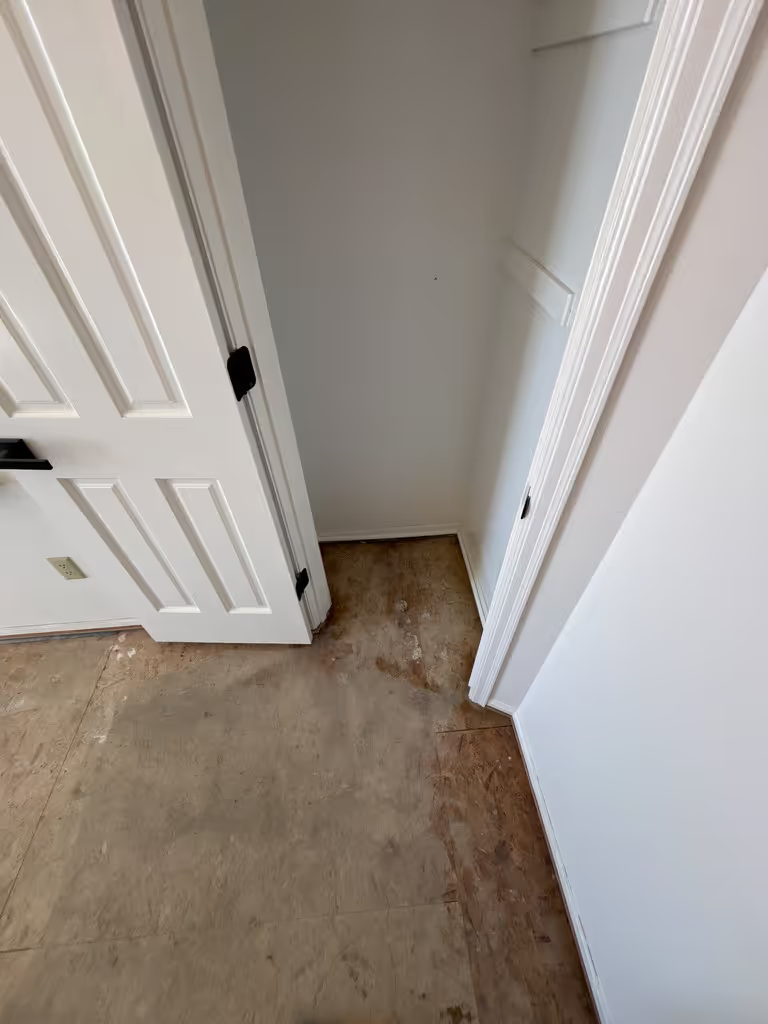
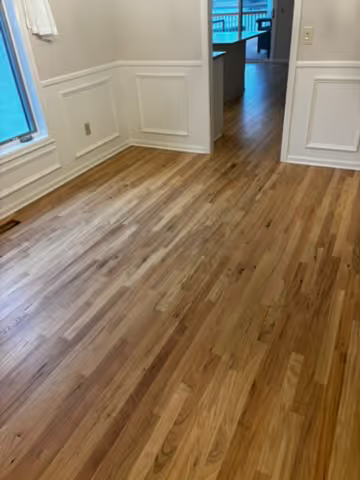
The main level had three different surfaces — white tile in the entryway, carpet in the living room, and existing hardwood through the kitchen and dining room. Nothing connected. The hardwood had a yellow-orange tone that the homeowners wanted to get away from, and the tile and carpet were breaking up what could have been one continuous floor throughout the space.



After Photos
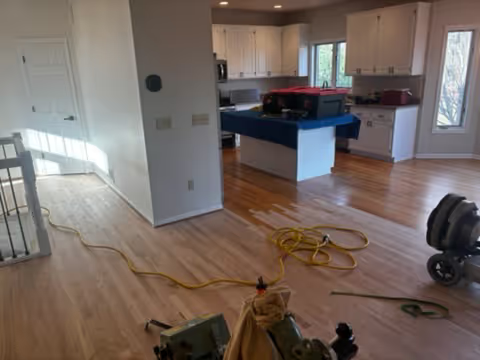
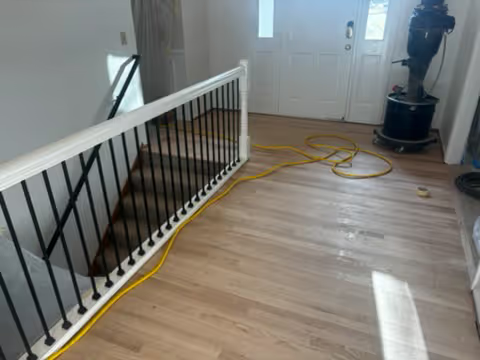
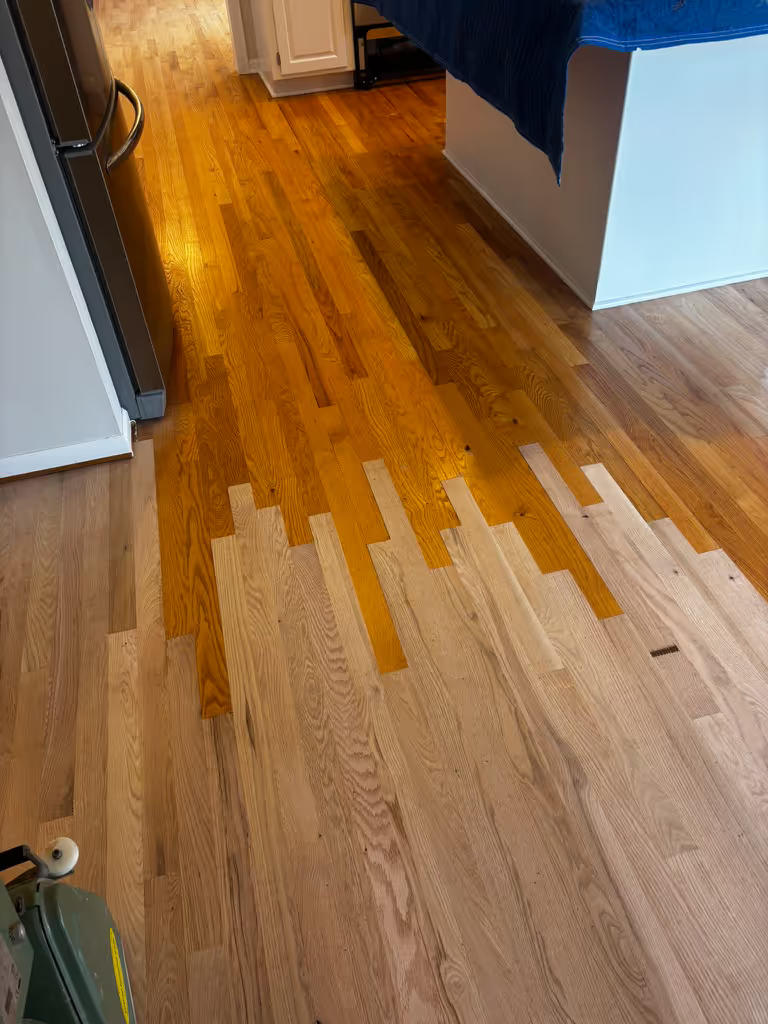
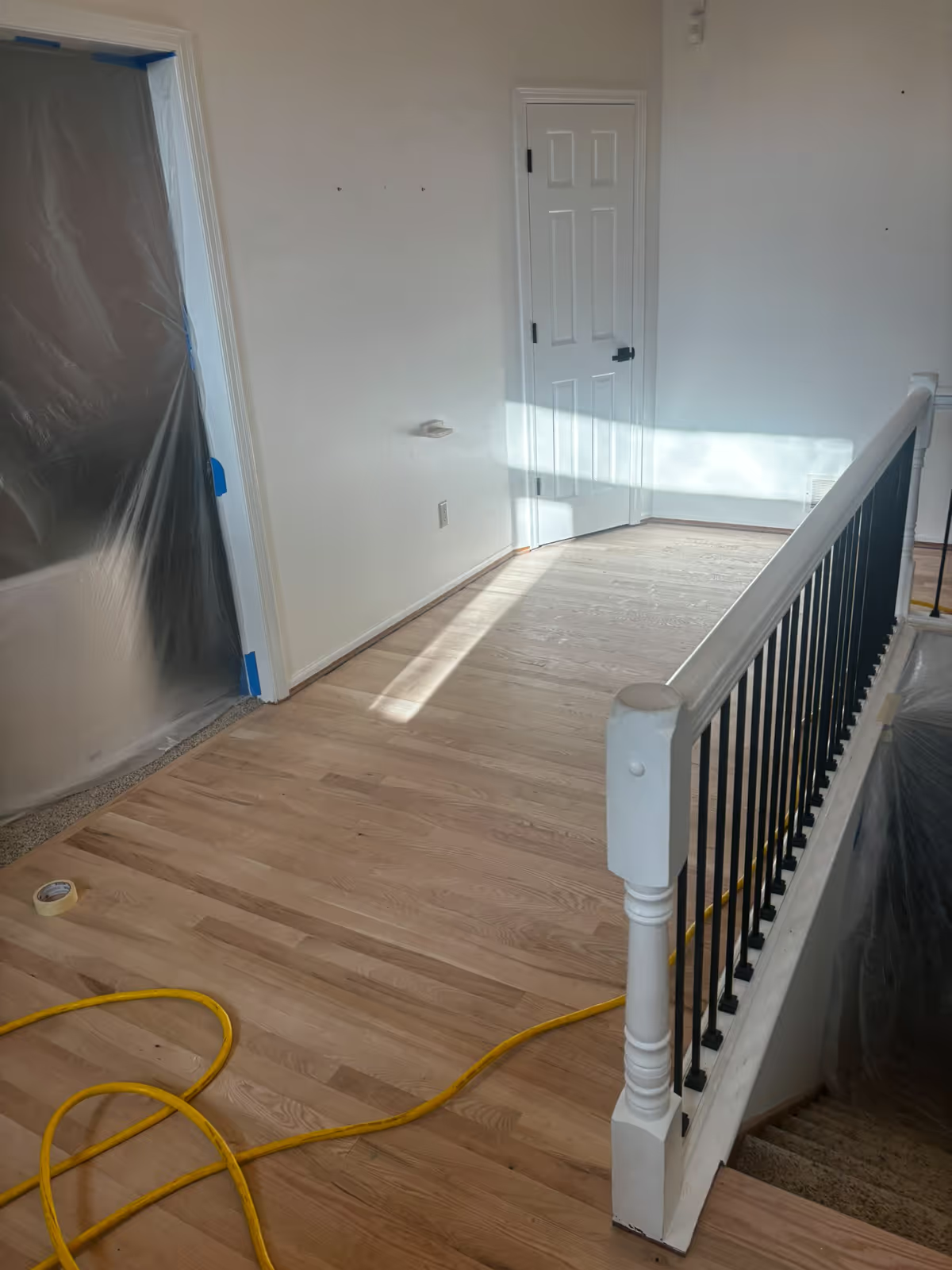
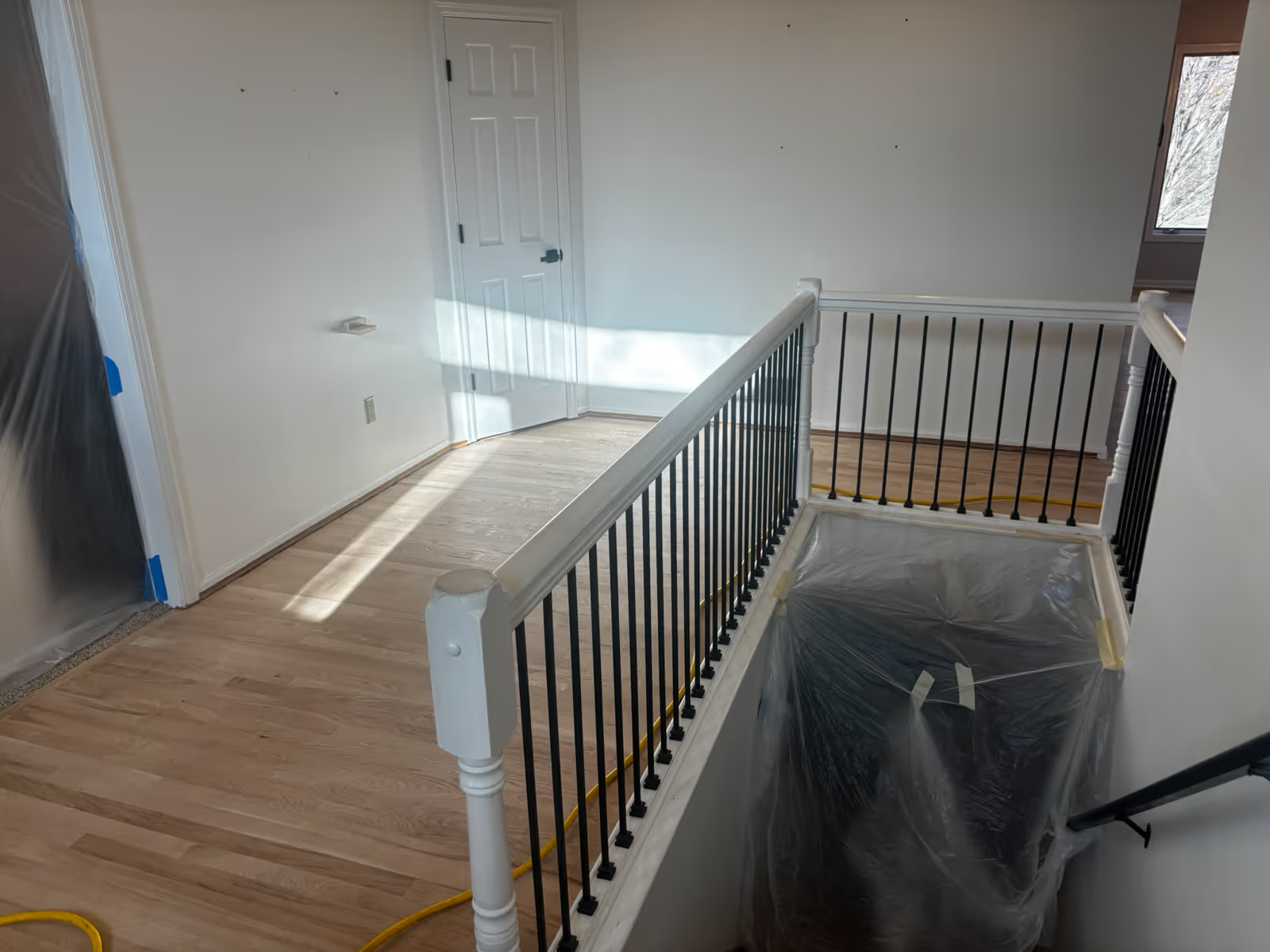
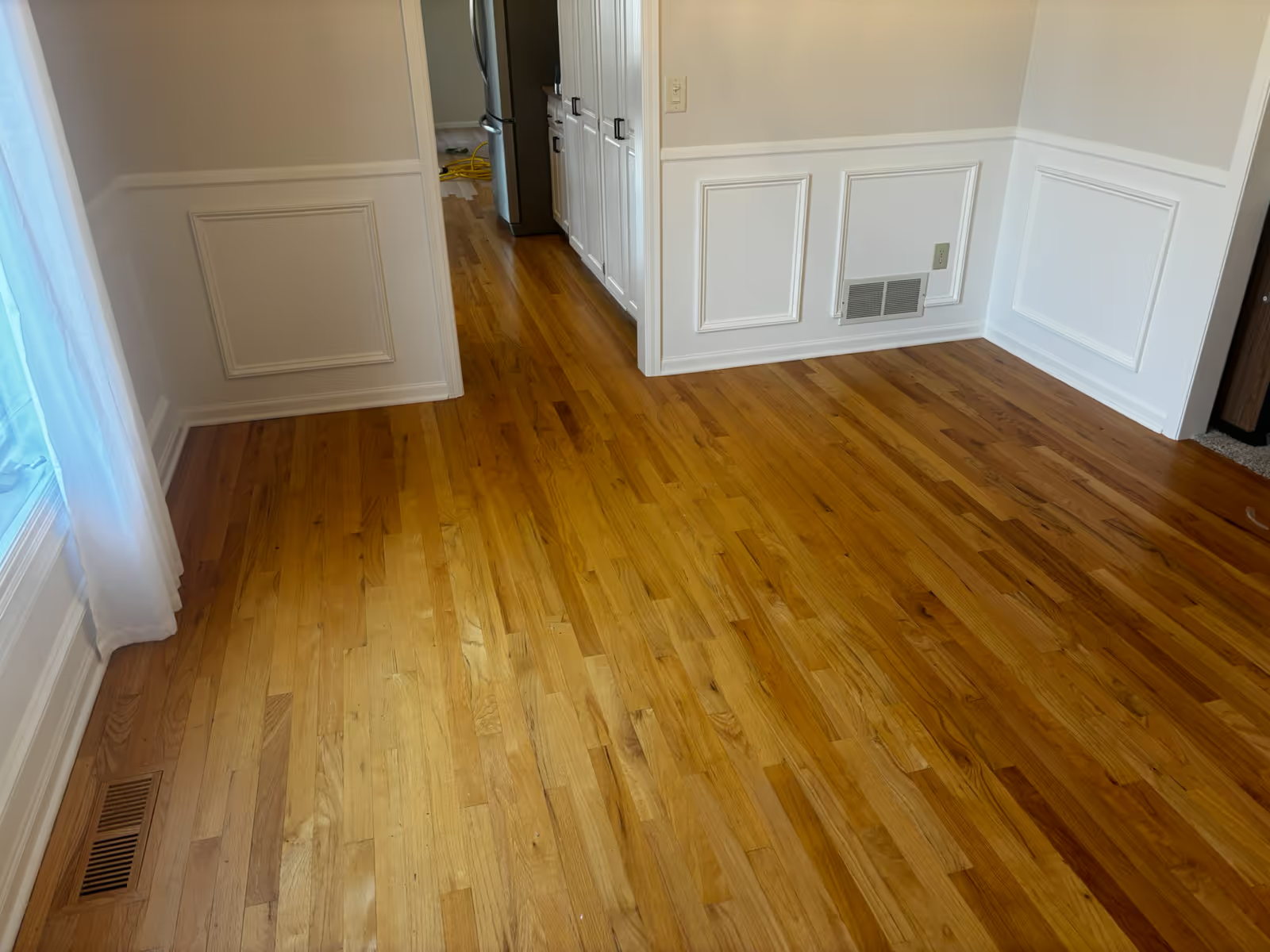
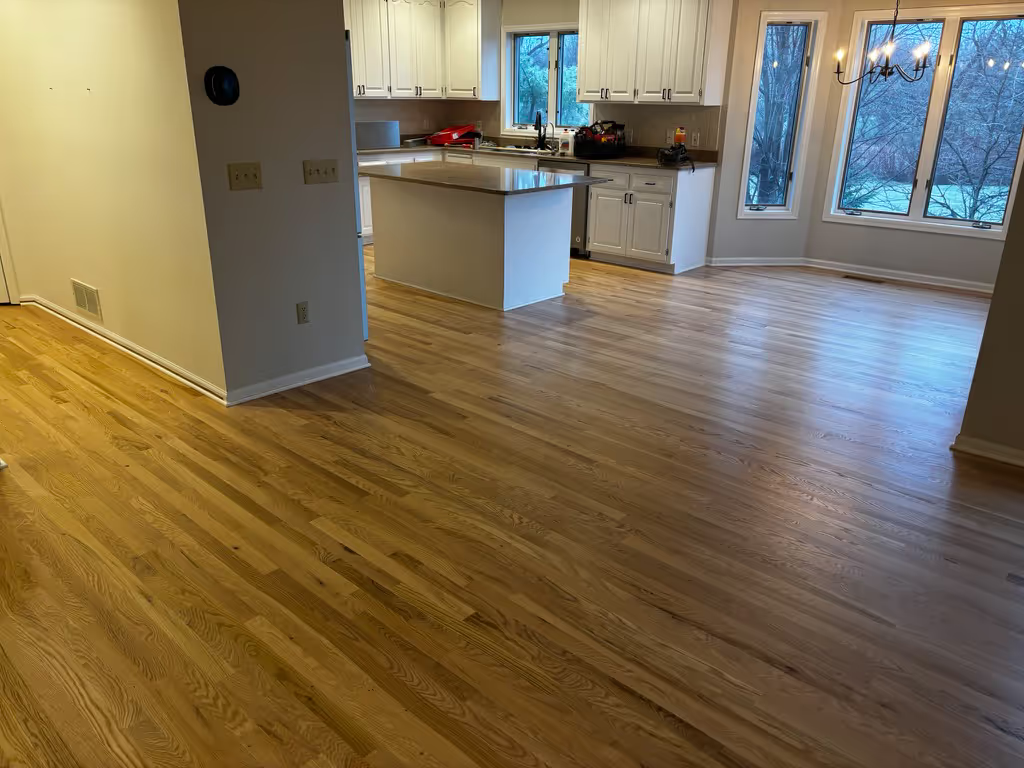
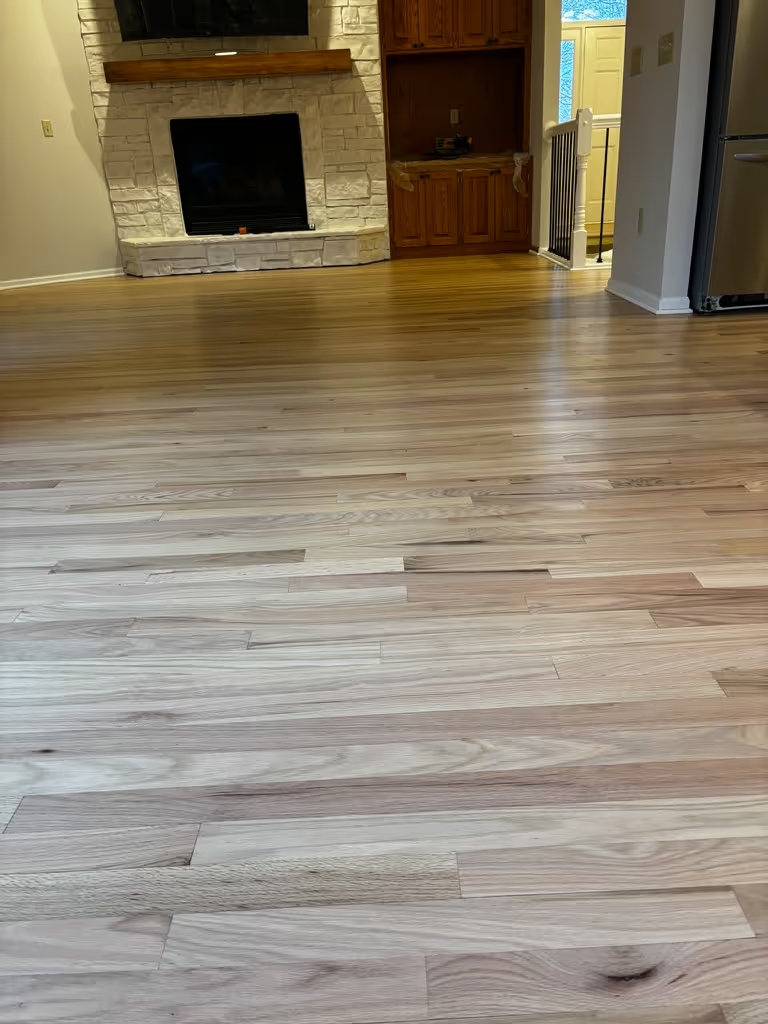
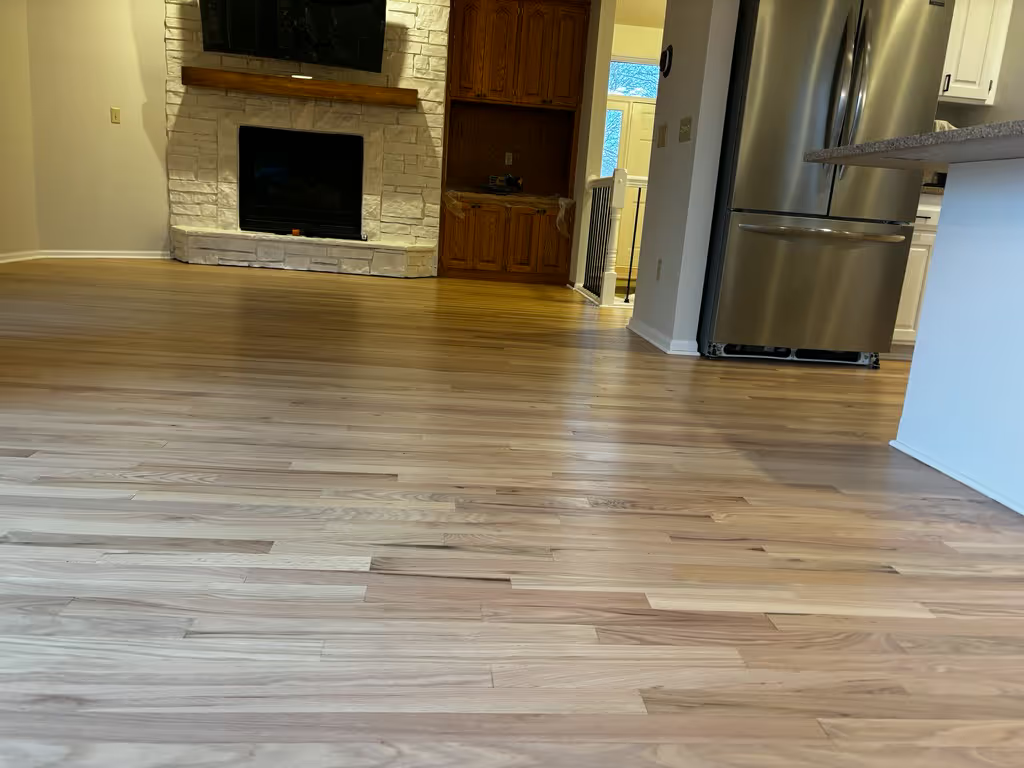
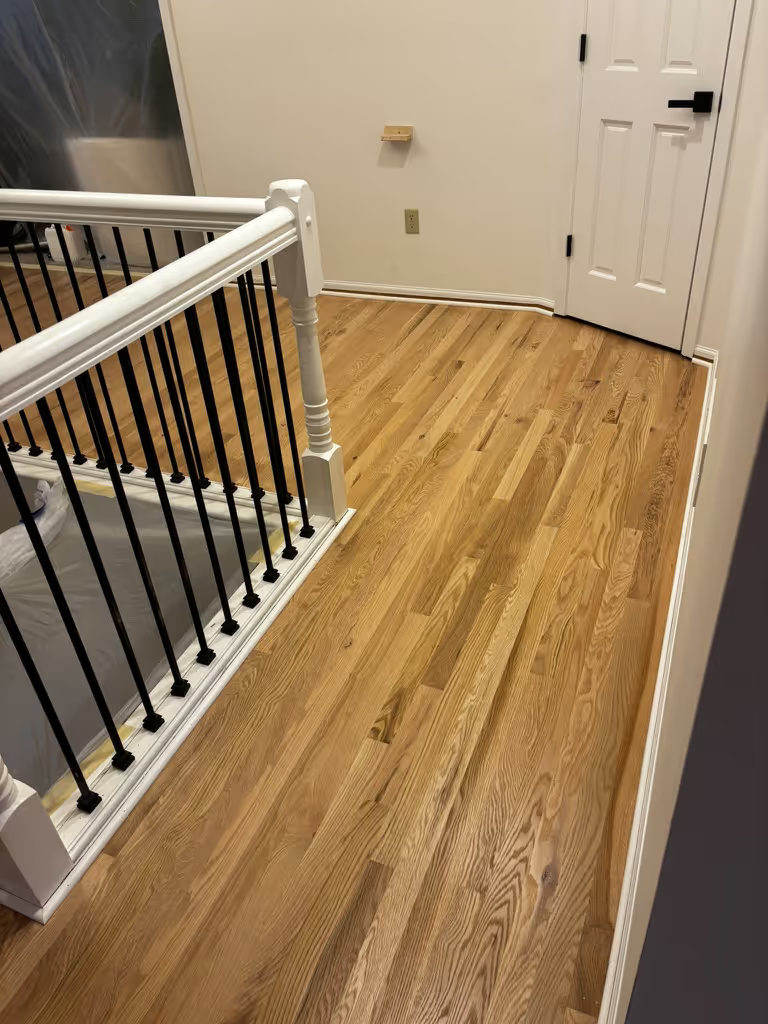
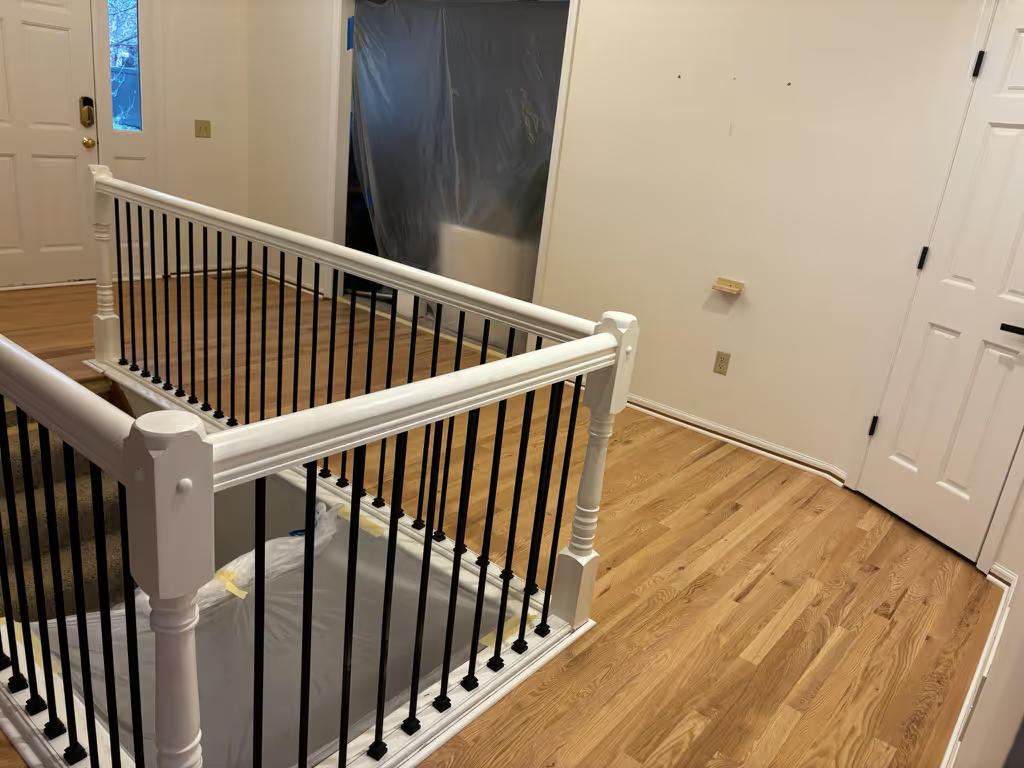
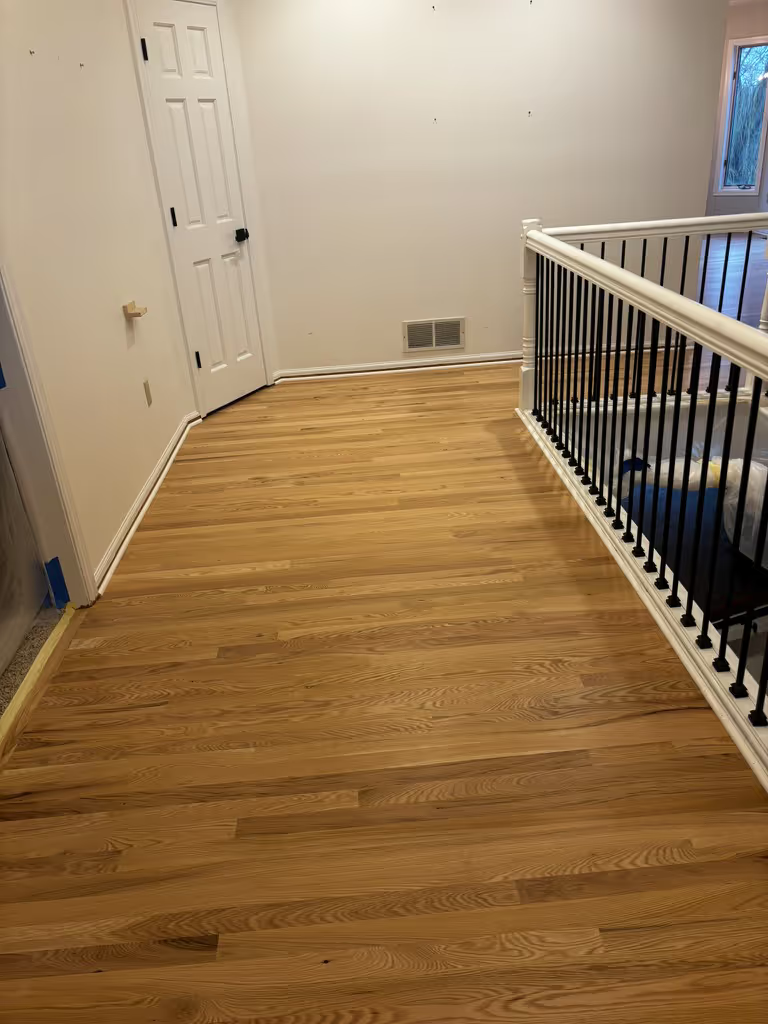
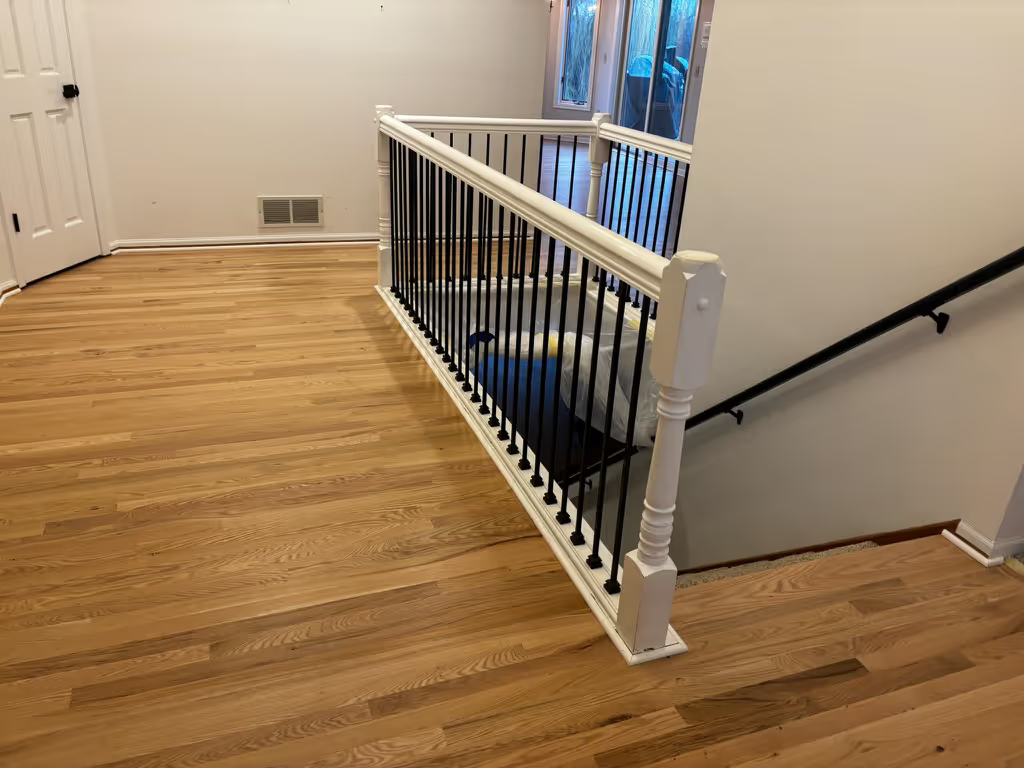
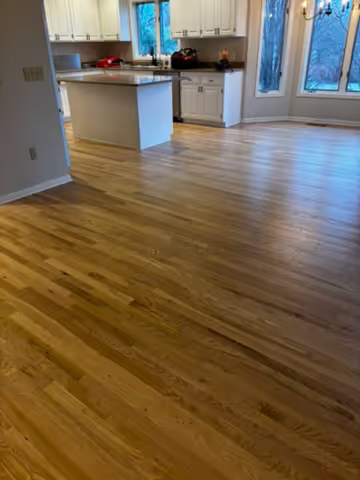
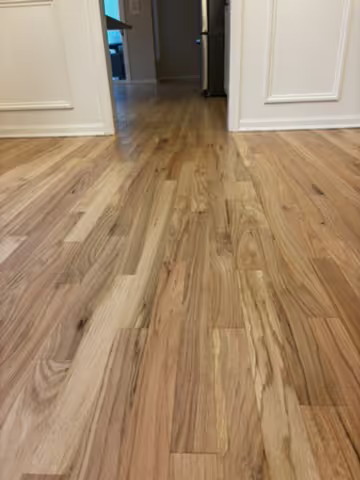
The main level became one continuous floor throughout — hardwood running from the front door through the entryway, living room, kitchen, and dining room with no tile, no carpet, and no hard transitions breaking it up. The new and existing red oak matched closely enough that the seam between old and new is nearly invisible. The whitener in the seal coat kept the tone light and natural, a noticeable shift away from the yellow-orange the floors had before.
About the project
The homeowner originally called to replace a small carpeted area in their living room with hardwood. After a few conversations, the scope grew — they also wanted to pull out the tile in the front entryway and extend the hardwood through that space as well. The existing floors through the kitchen and dining room were in decent shape, but the homeowners weren't happy with the yellow-orange color and wanted something lighter and more consistent throughout.
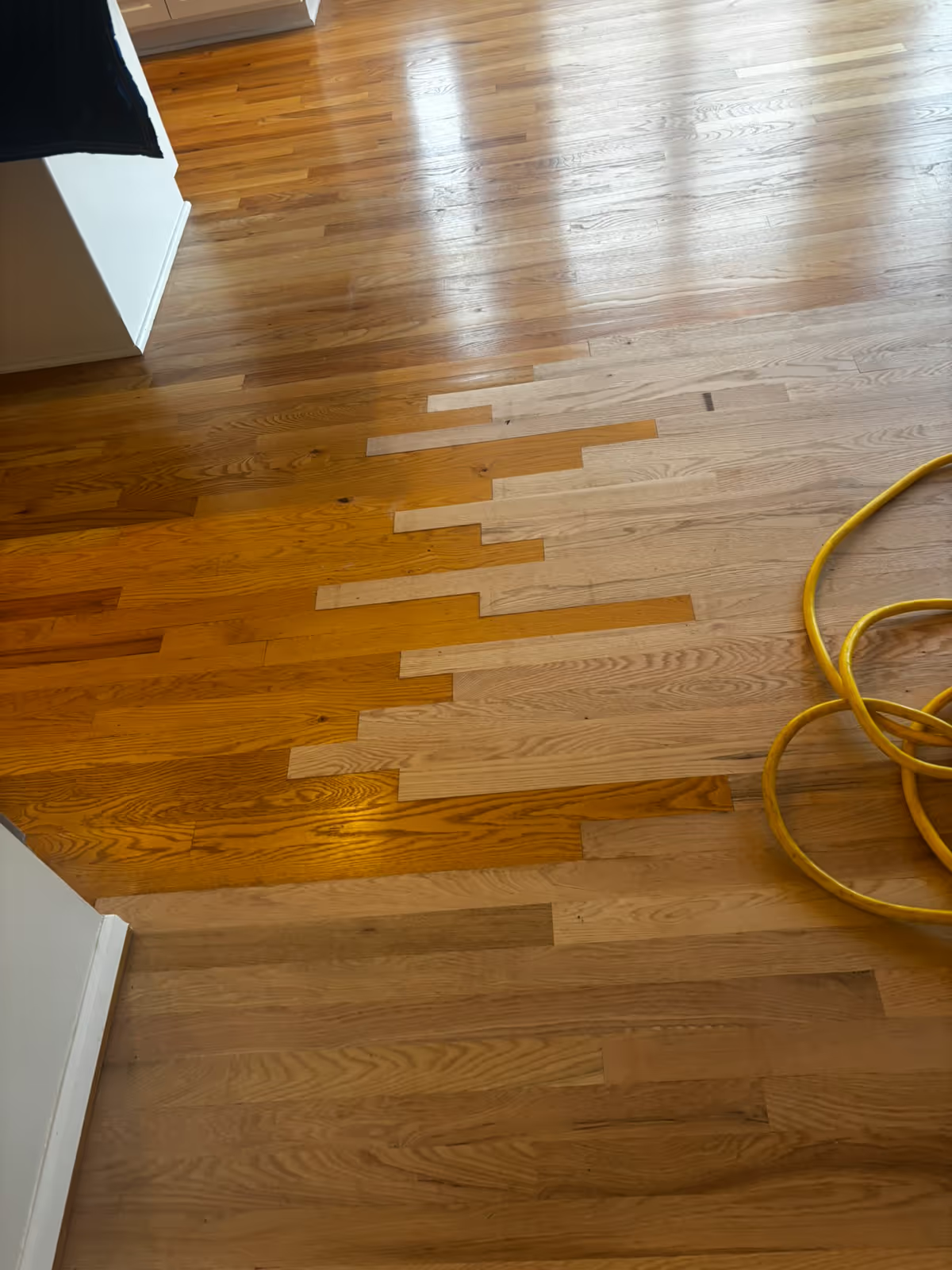
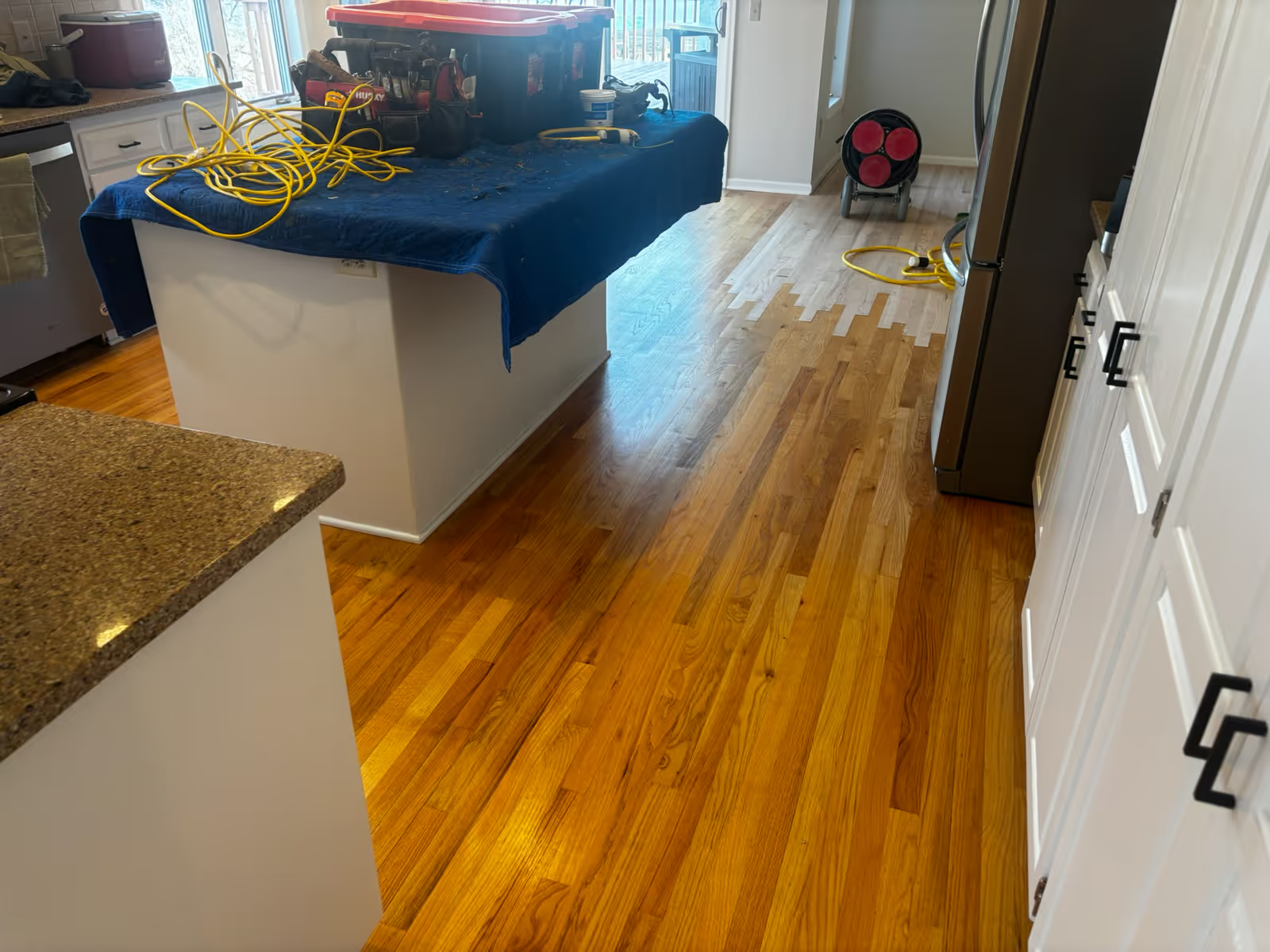
After assessing the existing floors, it was clear a buff and coat wasn't the right path. Anytime new wood is laced into old, the whole space needs to be sanded so everything levels out and reads as one floor. The color change they wanted also required sanding down to bare wood regardless.
Before ordering material, the existing floors were tested to confirm species — red oak with noticeable character, some knots and darker boards. A Northwoods red oak number one was selected for its less pink tone to get as close a match as possible. A demo contractor handled the tile and carpet removal, and the new wood was acclimated in the home for five days before installation. Once everything was installed and sanded, a whitener was added to the seal coat to keep the floors looking light and close to the natural wood tone right off the sander.
The result was a main level that felt more open, warmer, and consistent — no more tile, no more carpet patch, just hardwood flowing through the space. The seam between new and old is nearly invisible.
Finish & Materials
Justin walks through a Maple Grove home where the main level used to have three different floor surfaces — tile at the front door, carpet in the living room, and existing hardwood through the back of the house. The homeowners wanted it all to feel like one space, so the tile and carpet came out and new red oak was installed and laced into the existing hardwood.
So this one started as a pretty small ask — just replace a little patch of carpet in the living room with hardwood. But once we got in there and looked at everything, the scope kind of naturally expanded. The homeowners also had tile in the front entryway, and they started wondering what it would look like to pull that out too and just run hardwood all the way through.
So that's what we did. Tore out the carpet, tore out the tile — had a demo contractor come in and handle that — and then laced the new hardwood into the existing floors through the kitchen and dining room.
Before we even ordered material, I came in and sanded a spot on the existing floor to confirm species. Came back red oak, with some good character to it — knots, some darker boards. So we went with a Northwoods red oak number one, which runs a little less pink, and it matched up really well. When you look at where the new and old meet, you really can't tell.
They wanted to get away from that yellow-orange color the floors had, so we added a whitener to the seal coat. Keeps things looking light and close to the natural wood tone right after sanding. Clean, crisp, nothing heavy.
They lived in the house the whole time — about two weeks start to finish. They had their bedrooms and the basement to work out of. Bigger project, but it came together nicely. The main level just feels more open now. Warmer. Everything's the same surface, same color, flows the whole way through.