Preserving 1920s Hardwood Floors in Minneapolis
Carpet removal revealed original maple and red oak floors in a 1925 Minneapolis home; hardwood floor refinishing preserved and restored the original flooring.
See the Full Project

Refinishing hardwood floors can dramatically change the look and feel of your home—often at a fraction of the cost of replacement. Below are real examples from homes in Minneapolis, showing how dull, worn, or outdated floors were brought back to life.
Refinishing is usually the best option if your floors still have structural integrity and haven’t been sanded too many times. Many older floors—especially solid hardwood—can be restored multiple times before replacement is necessary.
In a century-old Minneapolis home, hardwood floors were hidden under carpet and layers of paste wax. Once uncovered, we found red oak and maple floors with incredible potential.
After refinishing, the floors were restored to their original beauty—proving that even very old floors can be brought back to life instead of replaced.
In another project, maple hardwood floors had been covered for years and showed signs of heavy wear, adhesive residue, and wax buildup.
After sanding and refinishing, the natural character of the wood came through, transforming the space from worn and dated to clean and refreshed.
A common issue homeowners face is hardwood floors turning orange over time. This is typically caused by:
In one Minneapolis home, the goal was to remove the orange tone from red oak floors and create a more modern, natural look.
Using updated refinishing techniques and a water-based finish, we were able to neutralize the color and give the floors a clean, contemporary feel.
Over time, many hardwood floors—especially red oak—can develop an orange or amber tone. This is a very common issue and usually isn’t permanent.
The color change happens for a few key reasons:
Yes—this is one of the most common reasons homeowners choose to refinish.
Through sanding and refinishing, the old finish and discoloration are removed. From there, modern finishing systems—especially water-based sealers—allow for a much more natural, neutral tone.
This means you’re not stuck with orange floors—you can completely change the look.
These transformations show what’s possible with professional hardwood floor refinishing. In many cases, what looks like a floor that needs replacing can actually be restored into something beautiful.
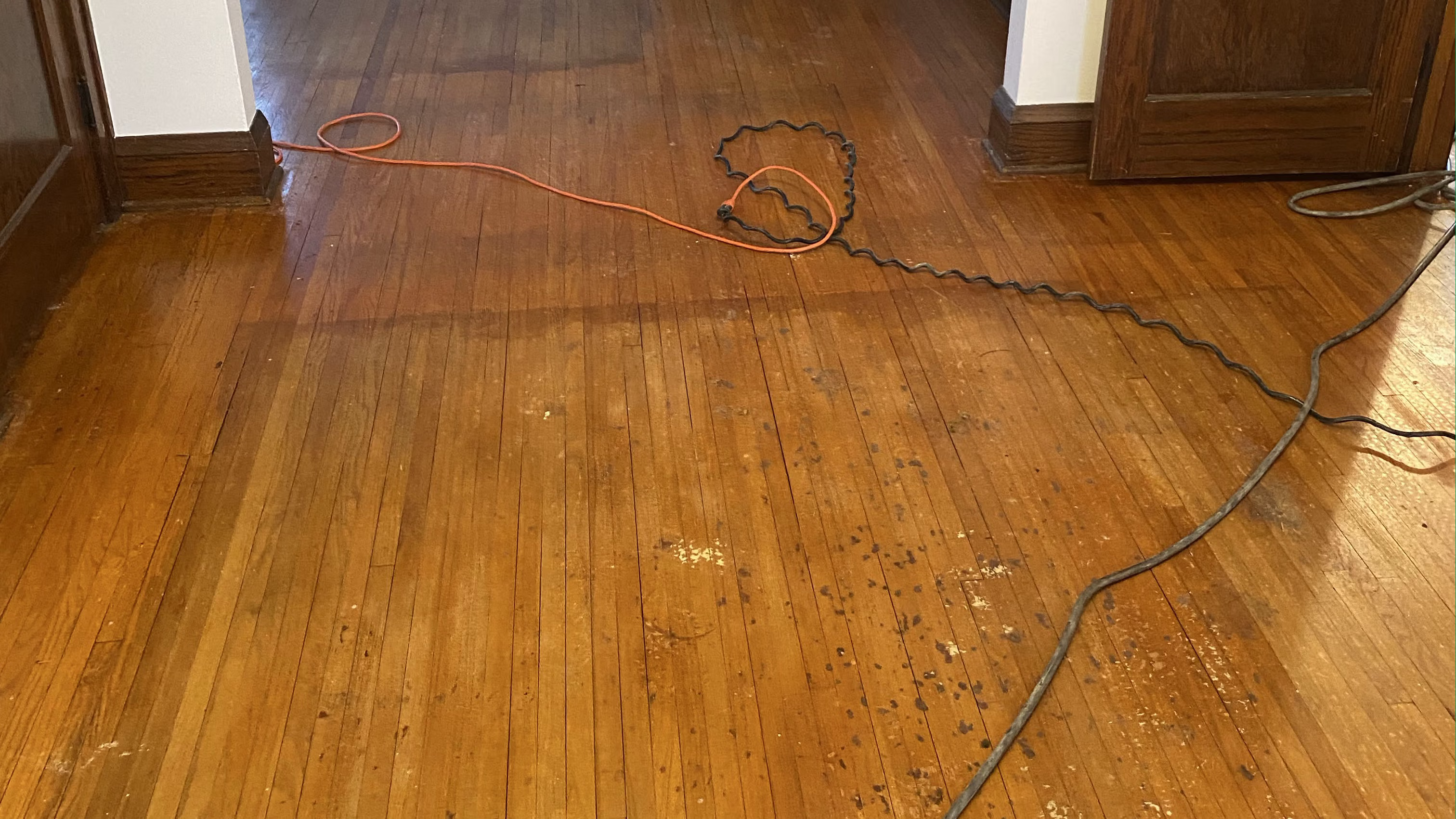
Carpet removal revealed original maple and red oak floors in a 1925 Minneapolis home; hardwood floor refinishing preserved and restored the original flooring.